Discover Mopani
A diverse region of wildlife, mountains, forests, waterfalls, cultural heritage and thriving communities in Limpopo, South Africa.
1 223 747
Population
11 427.85
Approx. Area (km²)
Big Five
Wildlife & Nature
Great Limpopo
Transfrontier Park
A region rich in nature, culture and opportunity
Mopani is renowned for its abundance of wildlife, craggy mountains, indigenous and man-made forests, trout streams and cascading waterfalls.
The district provides easy access to the northern section of the Kruger National Park and includes destinations such as Phalaborwa, Tzaneen, Modjadjikloof and Giyani.
The region also offers a rich combination of historical, cultural and ethnic attractions, together with striking contrasts in climate, scenery and landscape.
Wildlife
Big Five and diverse wildlife experiences.
Forests
Indigenous forests and unique vegetation.
Waterfalls
Rivers, dams and cascading waterfalls.
Heritage
Rich historical and cultural attractions.
Explore the Mopani District
Discover the unique attractions and characteristics of communities across the district.
Letaba
Home to the legendary Rain Queen of the Balobedu people and the remarkable Modjadji Cycad Forest.
- Modjadji Cycad Forest
- Modjadji Camp
- Sunland Baobab
Phalaborwa
Known as the “town of two summers” and the “jewel of wildlife tourism”, Phalaborwa is a gateway to the Kruger National Park.
- Kruger National Park
- Big Hole open-cast mine
- Marula Festival
Maruleng
A major tourism destination surrounded by the Kruger National Park, Timbavati Private Reserve and Blyde River Canyon.
- Private game reserves
- Luxury lodges
- Adventure tourism
Tzaneen
Known as a tropical paradise and a major agricultural area producing subtropical fruits and nuts.
- Fruit production
- Debegeni Waterfalls
- Magoebaskloof
Giyani
A destination known for its wildlife, Shangaan and Tsonga cultural heritage, cuisine and local attractions.
- Mopani worm cuisine
- Giyani Golf Club
- Shangaan & Tsonga culture
Explore Mopani
Discover the natural beauty, cultural heritage and economic opportunities across the district.
Explore MoreCoat of Arms
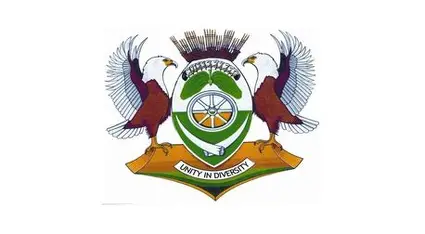
The Coat of Arms represents the heritage, natural resources, tourism potential and cultural diversity of Mopani District.
Coat of Arms
The Coat of Arms of the District Municipality was launched on the 3rd of May 2003 by the then MEC for Public Works, Mr Collins Chabane.
Features of the Coat of Arms
Meaning of the Elements
Each element of the Coat of Arms represents an important aspect of Mopani District.
The Crown
The crown symbolises respect for traditional leadership, reflecting the deeply rural nature of the District.
The Shield
The shield symbolises protection.
The Mopani Worm
The Mopani worm represents a unique characteristic of the District and its potential to contribute towards fighting poverty.
The Mopani Leaf
The Mopani leaf is where the worm resides and survives, while also reflecting the District's strong agricultural potential.
The Elephant Horns
The two elephant horns indicate the District's tourism potential due to its close proximity to the Kruger National Park.
The Eagles
The two eagles symbolise protection and represent birds of prey found in abundance in the District.
Yellow Colour & The Motto
The yellow colour symbolises the District's mineral wealth, while the motto reflects the various cultural and ethnic backgrounds and the cultural diversity of the people of Mopani.
1,092,507
District Population
Census 201181%
Rural Population
14%
Urban Population
46% : 54%
Male to Female
Population Overview
Population distribution across Mopani District
The population of Mopani District Municipality increased from 1,068,569 in 2007 to 1,092,507 according to the 2011 Census.
The majority of residents live in rural areas, with approximately 81% of the district population residing in rural communities, 14% in urban areas and 5% on farms.
Population Density
Distribution of residents across the district
Population densities vary between municipalities. The district has generally sparse settlement patterns, with substantial land surrounding many communities.
Population by Gender
Male and female population structure
The average male-to-female ratio across Mopani District is approximately 46% to 54%. In almost all local municipalities, females outnumber males.
Age Structure
Young population profile
The source identifies the 15–19 age category as the largest population group. This highlights the importance of education, skills development and employment opportunities for young people.
Population Movements
In-migration and out-migration
Rural areas continue to have significant populations despite relatively low levels of economic activity. The source highlights Greater Giyani and Maruleng as examples of these population trends.
Cultural Values
Strong cultural values and the preference for maintaining family homes in rural areas.
Rural Development
The population trends highlight the need for continued rural development and service provision.
Heritage
Discover Mopani District's rich natural, cultural and environmental heritage, from indigenous forests and wetlands to wildlife reserves, waterfalls and traditional heritage sites.
A District Rich in Heritage
Mopani District Municipality has a strong comparative advantage in eco-tourism due to its proximity to the Kruger National Park, an eco-tourism hotspot of international importance.
The District boasts indigenous forests, biospheres, wetlands, endangered species such as Modjadji cycads, abundant wildlife and a diverse cultural heritage.
Eco-Tourism
Natural landscapes, wildlife and cultural attractions contribute to the District's tourism potential.
Heritage & Conservation Areas
Explore some of the natural and cultural areas of importance across Mopani District.
Indigenous Forests
Mopani contains indigenous forests and biodiversity areas that contribute to the District's natural heritage and eco-tourism potential.
Wetlands & Waterfalls
Important natural areas include wetlands and attractions such as Debengeni Waterfalls.
Modjadji Cycads
The Modjadji Nature Reserve is home to prehistoric cycads, including the endangered Modjadji cycads.
Wildlife & Biodiversity
Mopani is considered home to the Big Five due to the abundance of wildlife in the Kruger National Park, private game farms and surrounding nature reserves.
Wolksberg Wilderness
The Wolksberg Wilderness area is recognised as an important biodiversity hotspot within the District.
Cultural Heritage
Mopani's heritage includes important cultural sites and centres such as Tingwadzi Heritage Centre, Lekgalameetse and Muti wa Vatsonga.
Places of Heritage & Conservation Importance
Natural areas, reserves and heritage destinations found across the District.
Private Game Farms & Nature Reserves
The District also has several privately owned game farms and nature reserves around Ba-Phalaborwa and Maruleng Local Municipalities.
Registered Heritage Sites
Registered natural heritage sites include:
- Westfalia Estates
- Manotsa
- Madrid
- Shiluvane
District Heritage Council
To promote the wealth of heritage activities, Mopani District Municipality has established a District Heritage Council. The source notes that the Council still needs to be strengthened to further support heritage activities across the District.
Location
Discover the geographical location, boundaries and settlement profile of Mopani District Municipality.
Geographical Location
Mopani District Municipality is situated in the north-eastern part of Limpopo Province. It is approximately 70 km from Polokwane, the provincial capital, with access via provincial roads R81 and R71.
The district lies between 29°52′E and 31°52′E longitude and 23°00′S and 24°38′S latitude, with 31°E serving as the central meridian.
Mopani District Municipality
Our Neighbouring Areas
Mopani District shares boundaries with neighbouring municipalities, provinces and Mozambique.
Mozambique
The district shares its eastern boundary with the Republic of Mozambique.
Vhembe District
Borders Vhembe District through the Thulamela and Makhado municipalities.
Capricorn District
Borders Capricorn through Molemole, Polokwane and Lepelle-Nkumpi.
Ehlanzeni District
Shares its southern boundary with Mpumalanga Province through Ehlanzeni District Municipality, including Bushbuckridge, Thaba-Chweu and Greater Tubatse.
Sekhukhune District
Shares its south-western boundary with Sekhukhune District Municipality through Fetakgomo.
Kruger National Park
A portion of the Kruger National Park falls within Mopani District Municipality, extending from the Olifants to Tshingwedzi camps and from the Lepelle to Tshingwedzi rivers. This contributes significantly to the district's ecological and tourism importance.
Mission, Vision & Values
Our vision, mission and values guide Mopani District Municipality in delivering sustainable services and creating meaningful opportunities for our communities.
Looking Towards the Future
To be a food basket of Southern Africa and the tourism destination of choice.
Serving Our Community
Mopani District Municipality is committed to providing sustainable, equitable and integrated services through responsible, democratic and accountable governance.
What We Aim to Achieve
Integrated & Sustainable Services
To provide integrated, sustainable and equitable services through democratic, responsible and accountable governance.
Sustainable Resource Use
To promote the sustainable use of resources for economic growth that benefits the community.
What We Stand For
Our value system reflects the principles that shape how we serve our communities and conduct our work.
Innovation
Embracing new ideas, technology and better ways of delivering services.
Excellence
Striving for high standards in everything we do.
Commitment
Remaining dedicated to our communities and organisational objectives.
Care
Putting people, communities and their wellbeing at the heart of our work.
Ubuntu
Promoting humanity, respect, solidarity and togetherness within our communities.
Management Team
Meet the leadership team responsible for providing strategic direction, effective governance and quality service delivery across Mopani District Municipality.

Executive Leadership
Chief Financial Officer
Position Vacant


