Agriculture
Agricultural development and opportunities within the Mopani District
Agriculture as a Driver of Economic Development
Agriculture is the backbone of any developing economy. It is a sector capable of creating sustainable employment opportunities, including opportunities for unskilled and semi-skilled workers, while contributing significantly to sustainable rural development.
of farm income in the province is generated from horticulture in the district.
of the district's land can be considered arable.
of the arable land is under irrigation, among the highest in the province.

A Strong Agricultural Economy
The district, particularly the Lowveld region, contributes significantly towards agricultural activity at provincial level. Approximately 50% of farm income in the province is earned through horticulture in the district.
The most important crops in terms of monetary value include citrus, vegetables and subtropical fruit.
Approximately 6.7% of the land can be considered arable, of which 43% is under irrigation. This represents one of the highest proportions of irrigated agricultural land among the districts in the province.
Expanding Agricultural Production
The most important irrigation schemes in the region include Lower Letaba, Blyde Irrigation and Middle Letaba.
The region has significant future agricultural potential, particularly in subtropical fruit, citrus fruit production and vegetables.
According to the Provincial Economic Development Strategy, approximately 10,000 hectares of this potential could be brought into production over the next five years.
Development is expected to focus mainly on new orchards in the Letaba/Letsitele basin, with approximately 1,500 hectares identified in the Klein Letaba area.

Areas of Agricultural Potential
Citrus Production
Strong potential for expanding citrus production and developing new orchards.
Vegetable Production
Opportunities for increased commercial vegetable production supported by irrigation infrastructure.
Subtropical Fruit
Significant potential for subtropical fruit production across suitable agricultural areas.
Local Economic Development
Driving economic growth, investment and sustainable development across the Mopani District
Mopani DM LED and EGDS Strategy – 30 June 2021 FC2
Local Economic Development Strategy Review and Economic Growth Development Strategy
View StrategyManufacturing and Trade
Industrial Development
In terms of the previous Regional Industrial Development Programmes (RIDP), three towns qualified as Industrial Development Points:
The main industries in the district are primarily focused on basic metals, fabricated metals and food manufacturing.
Giyani, Tzaneen and Nkowakowa
Manufacturing Activities
Basic & Fabricated Metals
The metals sector is dominated by structural steel production and engineering workshops.
Wood Processing
The district has industries involved in wood processing, including saw milling activities.
Food Manufacturing
Food manufacturing includes canned, preserved and dried fruit and vegetable products.
Strengthening Local Economic Linkages
The food manufacturing sector provides important linkages to the local agricultural sector. Strengthening these connections is important to ensure that small and emerging farmers have access to processing facilities and markets.
Major Trading Centres
Major trading centres in the district include the following economic nodes:
Major trading and commercial node.
Important regional trading and economic node.
An important trading node with further development potential.
Retaining Local Buying Power
The district experiences a net outflow of buying power, particularly from smaller economic nodes that do not cater for the full range of consumer needs.
Another contributing factor is that a considerable number of residents work outside these nodes, including in places such as Polokwane.
Investment for Sustainable Industrial Development
Key investments are needed in towns such as Phalaborwa and Tzaneen to achieve the minimum agglomeration required for sustainable industrial development.
Mining
Mineral resources, investment opportunities and mining development across the Mopani District
A Major Mining Centre in the District
Although the region is predominantly agricultural, it also contains a major mining cluster at Phalaborwa. Phalaborwa has been declared a Spatial Development Initiative (SDI), aimed at exploiting unutilized and underutilized economic potential by combining public and private sector resources in a sustainable manner.
A major centre for mineral development in the district.
Murchison, Giyani and Rooiwater mineral zones.
Potential direct investment through mining ventures and prospecting.
Significant Mineral Zones
Murchison Greenstone Belt
Extends from Gravellotte towards Leewkop in the Kruger National Park (KNP), with significant mineralization potential.
Giyani Greenbelt
Extends from the Kruger National Park in a south-western direction towards the town of Giyani.
Rooiwater Complex
Located along the northern flank of the Murchison mineralized zone.
Major Mining Projects & Opportunities
A number of major projects have been considered by mining companies for implementation, expansion or exploration within the district.
Expansion of rock phosphate production by FOSKOR.
Development of a phlogopite processing facility.
Exploration and development of kaolin clay resources.
Potential development of underground copper mining operations at Phalaborwa.
Surface strip mining of mineral sands in the Gravellotte area.
Potential exploitation of heavy mineral deposits in the Tzaneen area.
Potential establishment of a steel production facility.
Opportunities for Emerging Miners
The district also has opportunities for smaller mining initiatives and mineral-based enterprises.
Small Mining Initiatives
Existing and potential small-scale mining activities include gold mining projects in the Giyani and Murchison sequence greenstone areas.
Phalaborwa and the Murchison Range
Phalaborwa Mineral Complex
The main potential is centred around the Phalaborwa Mineral Complex, with its well-known copper and phosphate resources.
Murchison Range
The Murchison Range extends from Gravellotte towards Nkowakowa and Tzaneen and is regarded as one of the most diverse mineralization zones in the region.
R6.3 Billion+ Potential Direct Investment
Mining development has the potential to contribute more than R6.3 billion in direct investments through different mining ventures and prospecting activities in the district.
In the short term, mining development could form a cornerstone of economic growth in the Mopani District and contribute to broader economic development across Limpopo Province.
Tourism
Promoting tourism, destinations, experiences and investment opportunities across the Mopani District
A Diverse Tourism Destination
Tourism is an important component of the local economy and provides opportunities for economic growth, employment creation, enterprise development and investment. The district has a diverse range of natural, cultural and recreational assets that provide opportunities for the development of a vibrant tourism sector.
Natural landscapes, wildlife and outdoor environments create opportunities for tourism experiences.
Local heritage, traditions and cultural experiences contribute to the district's tourism offering.
Tourism provides opportunities for businesses, entrepreneurs and investors.

Connecting People, Places and Experiences
The district's tourism economy is supported by a combination of natural resources, cultural heritage, recreational opportunities and hospitality services.
These assets provide opportunities to attract visitors while supporting local businesses, tourism enterprises and employment opportunities within communities.
Continued investment in tourism infrastructure, destination marketing, visitor services and local enterprises can help strengthen the tourism value chain.
Explore the Tourism Offering

Nature & Wildlife
Natural environments and wildlife provide opportunities for nature-based tourism, sightseeing and outdoor experiences.

Culture & Heritage
Cultural heritage, traditions and community experiences offer opportunities for meaningful cultural tourism.
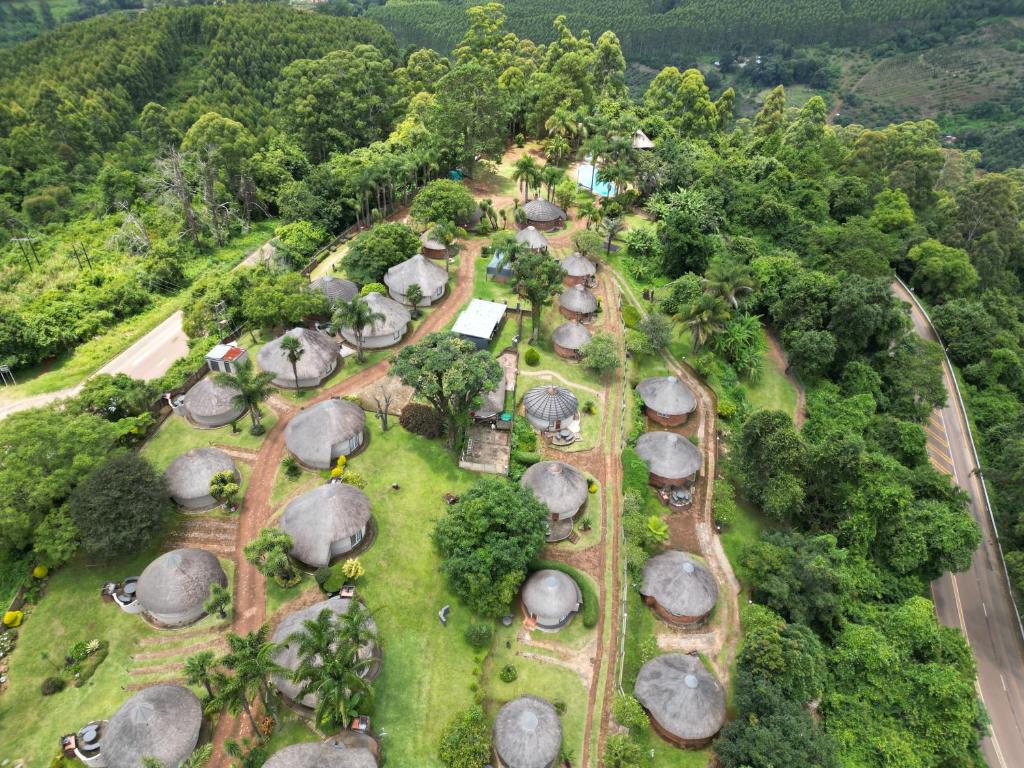
Adventure & Outdoors
Outdoor recreation and adventure activities provide opportunities to attract visitors seeking active experiences.
Supporting the Hospitality Sector
Tourism development extends beyond attractions. A strong tourism economy requires a supporting network of accommodation, restaurants, tour operators, transport services, retail businesses and other visitor services.
Supporting local tourism enterprises can increase the participation of small businesses and emerging entrepreneurs in the tourism value chain.
Building a Stronger Visitor Economy
A coordinated tourism sector can create opportunities for local businesses while strengthening the district's destination offering.
Tourism Opportunities
Accommodation
Opportunities for accommodation facilities and hospitality businesses.
Tourism Experiences
Development of distinctive visitor activities and tourism experiences.
Local Enterprises
Opportunities for SMMEs and emerging tourism businesses.
Tourism Infrastructure
Investment in visitor facilities, access and tourism-support infrastructure.
Growing Tourism as a Driver of Local Economic Development
Tourism has the potential to support sustainable economic development by connecting local attractions, businesses, communities and investment opportunities.
Strengthening the tourism value chain can contribute to employment creation, enterprise development and increased economic activity throughout the district.